Dental Implants in Mohali & Chandigarh
Missing teeth affect chewing, speech clarity, jawbone support, and self-confidence. Patients commonly choose dental implants to restore single teeth, multiple teeth, or full smiles without removable dentures. At Polydental Clinic, we provide lifetime solutions that look, feel, and function exactly like natural teeth.
2K+
Implants Placed
Nobel
Biocare Certified
CBCT
3D Scanning
0%
EMI Available
What Are Dental Implants?
Dental implants are fixed tooth replacements that replace missing tooth roots and missing visible teeth together. A dental implant system contains 3 main parts: the implant post, the abutment, and the dental crown. The implant post is placed inside the jawbone and functions like a natural tooth root. Most implant posts used at Polydental Clinic in Mohali are made from medical-grade titanium. Titanium integrates directly with jawbone tissue and creates stable support for chewing and biting. The abutment connects the implant post to the final restoration. The dental crown is the visible tooth-shaped restoration attached above the gums. The crown matches the colour, shape, and size of nearby natural teeth.
A simple way to understand dental implants is through their structure. The implant post functions like the tooth root, the abutment functions like the connector, and the crown functions like the visible tooth you see while smiling or speaking. Polydental Clinic in Mohali provides both titanium dental implants and zirconia dental implants. Titanium implants are commonly used because they provide long-term strength and predictable bone integration. Zirconia implants are ceramic-based and metal-free. Patients sometimes choose zirconia implants for metal-free treatment preferences or aesthetic concerns. Dental implants can replace one missing tooth, several missing teeth, or a complete upper or lower dental arch. Unlike removable dentures, dental implants remain fixed inside the mouth and support stable chewing, clearer speech, and balanced bite pressure. After healing, an implant-supported tooth looks, feels, and functions very similarly to a natural tooth.
Dental Implants vs Bridge vs Dentures, Which Is Best?
Dental implants provide the closest replacement to natural teeth because implants replace both the tooth root and the visible tooth. Dental bridges replace only the visible tooth portion, while dentures replace missing teeth through removable appliances resting on the gums.
| Feature | Dental Implant | Dental Bridge | Denture |
|---|---|---|---|
| Longevity | Lifetime with proper care | 10-15 years | 5-8 years |
| Bone Preservation | Yes, supports jawbone and reduces bone loss | No | No |
| Adjacent Teeth Affected | No | Yes, neighbouring teeth are shaved | No |
| Feel & Function | Most natural | Near-natural | Can loosen or move |
| Daily Maintenance | Regular brushing and flossing | Special flossing under the bridge | Daily removal and soaking |
The main difference between a dental implant and a dental bridge is tooth preservation. A dental implant replaces the missing tooth without affecting nearby healthy teeth. A dental bridge usually requires shaving two adjacent healthy teeth to support the artificial tooth placed in between. Many patients choose implants specifically to avoid permanent damage to healthy teeth.
Jawbone preservation creates another major difference. Dental implants stimulate the jawbone during chewing and help maintain bone density. Bridges and dentures do not replace tooth roots, so the jawbone beneath the missing tooth area gradually shrinks over time. Bone loss can change facial appearance, bite alignment, and denture stability after several years.
Many patients initially consider bridges because of lower starting costs. Dental implants often provide better long-term value because implants can last for decades with proper oral hygiene and regular dental check-ups. Multiple bridge replacements or repeated denture adjustments over 10-15 years can increase total treatment expenses over time.
Dental implants usually suit patients who want fixed teeth, stronger chewing ability, stable speech, and long-term durability. Dental bridges may suit patients who want faster treatment without surgery. Dentures may suit patients seeking lower upfront costs or replacement for complete tooth loss across the upper or lower jaw.
Types of Dental Implants We Provide
Different dental implant types suit different levels of tooth loss, jawbone density, and chewing requirements. Polydental Clinic in Mohali provides single-tooth implants, full-mouth implants, implant-supported bridges, All-on-4 restorations, All-on-6 restorations, mini implants, and basal implants for patients visiting from Chandigarh, Panchkula, Zirakpur, and nearby Tricity areas.
Single Tooth Implant
One implant supporting one crown. The perfect standalone replacement.
Implant-Supported Bridge
Two implants supporting 3-4 teeth. No grinding of healthy teeth.
All-on-4 Dental Implants
Full arch supported on 4 implants. Fixed alternative to dentures.
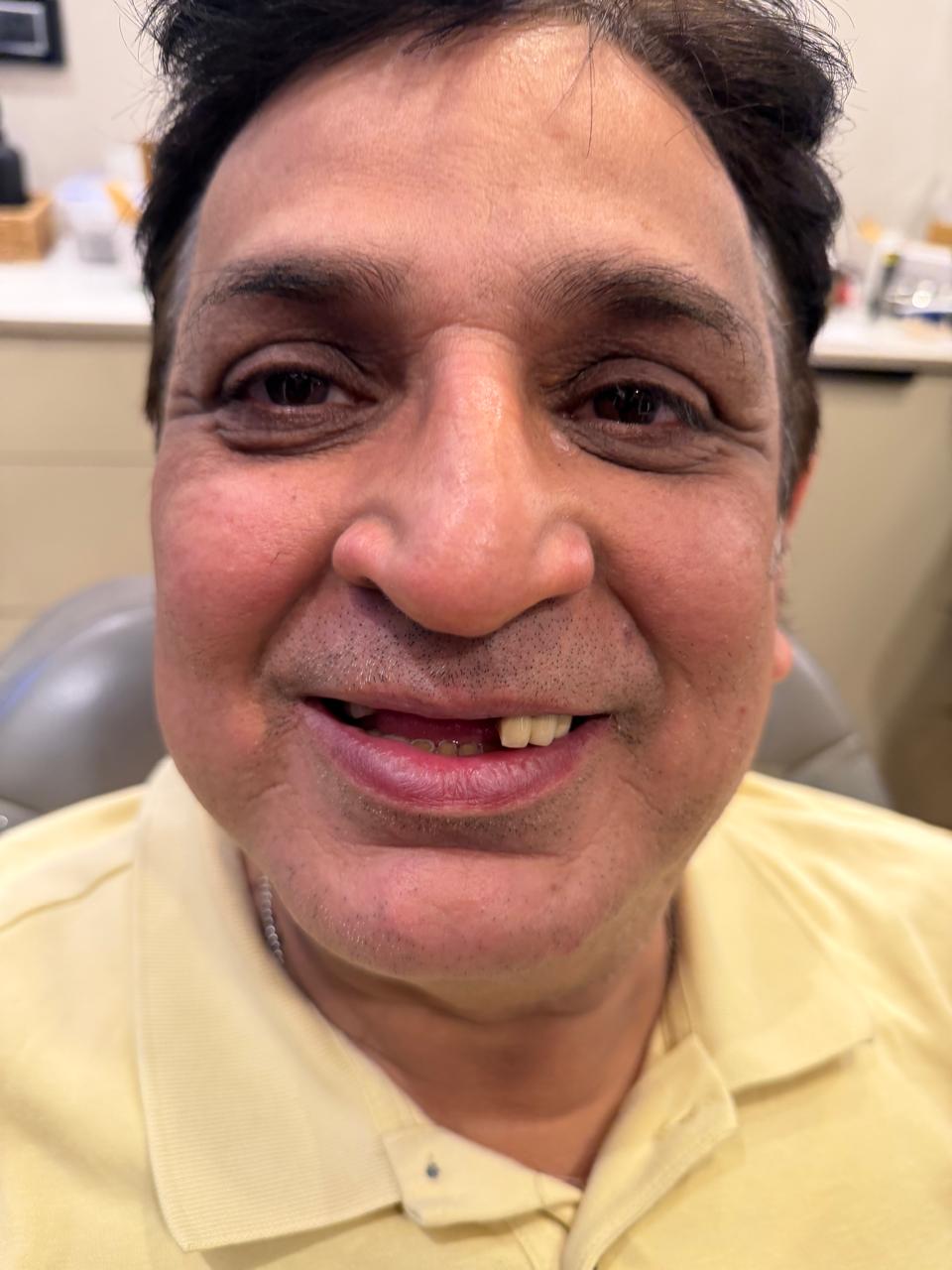
All-on-6 Dental Implants
Full arch supported on 6 implants for maximum stability and bite force.
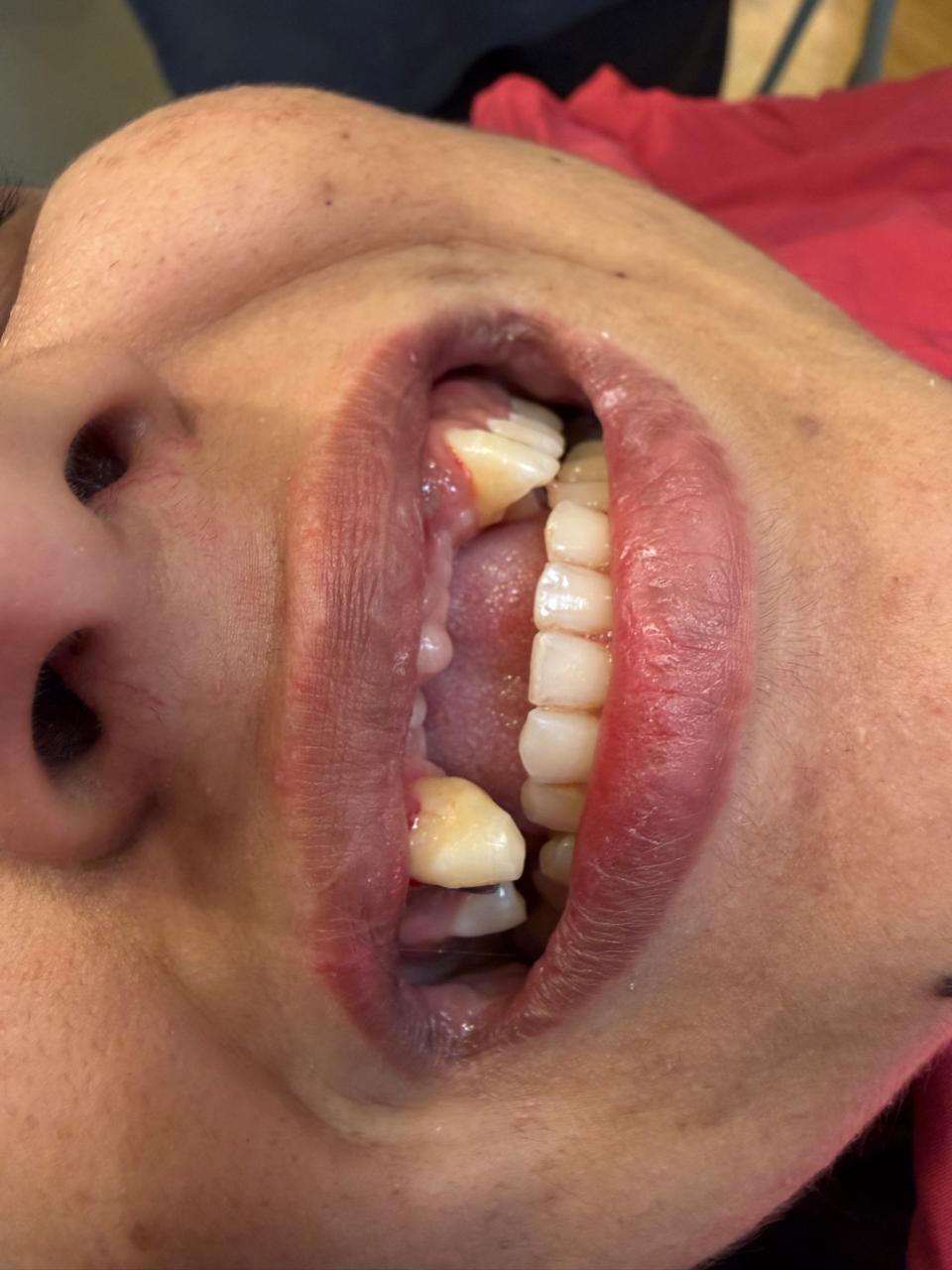
Mini Dental Implants
Narrow implants for smaller spaces or lower bone density.
Basal / Cortical Implants
Same-day loading implants for lower bone volume. Anchored in dense bone.
Single-tooth dental implants replace one missing tooth without affecting nearby healthy teeth. Polydental Clinic in Mohali commonly recommends single implants for patients missing individual front teeth, premolars, or molars. Implant-supported bridges replace multiple missing teeth using fewer implants than individual replacements. Two implants can support three or four connected crowns and reduce the need for multiple implant placements. All-on-4 dental implants replace a complete upper or lower arch using four strategically angled implants. All-on-4 treatment suits patients with extensive tooth loss who want fixed teeth without using removable dentures. All-on-6 dental implants use six implants to support a full dental arch and distribute chewing pressure more evenly across the jawbone.
Mini dental implants use narrower implant posts and suit patients with smaller tooth spaces or reduced bone width. Mini implants are sometimes used for stabilising lower dentures or replacing smaller teeth. Basal implants, called cortical implants, are designed for patients with lower jawbone volume. Basal implants anchor into denser cortical bone and often allow same-day loading. The most suitable dental implant type depends on jawbone density, number of missing teeth, gum condition, bite pressure, and long-term treatment goals. Polydental Clinic in Mohali uses digital scans and clinical evaluation to select the correct implant approach for each patient.
What Happens During the Dental Implant Procedure?
Dental implant treatment at Polydental Clinic in Mohali usually takes place in 5 planned stages. Most patients feel no pain during dental implant surgery because the treatment is performed under local anaesthesia. Mild swelling, tightness, or soreness can occur for a few days after surgery. Most patients return to normal daily activities or office work the next day.
Consultation & Planning
Day 13D CBCT scan, jawbone assessment, bite evaluation, and full implant planning.
Implant Placement
Day of surgeryTitanium implant post placed inside the jawbone under local anaesthesia.
Osseointegration
3–6 monthsJawbone gradually fuses with the implant surface for stable, lasting support.
Abutment Placement
Around 2 weeksConnector piece attached above the implant; gums heal neatly around it.
Crown Fitting
1–2 visitsFinal custom crown attached and your bite carefully adjusted.
Are You Suitable for Dental Implants?
Most healthy adults with missing teeth can qualify for dental implants after a clinical evaluation. Jawbone density, gum condition, medical history, smoking habits, and bite pressure influence implant suitability. Polydental Clinic in Mohali evaluates implant eligibility through digital scans, gum assessment, medical history review, and bite analysis.
| Ideal Candidates for Dental Implants | Patients Who May Need Additional Assessment |
|---|---|
| Adults above 18 years with one or more missing teeth | Smokers with increased implant failure risk |
| Good oral health and healthy gums | Patients with uncontrolled or fluctuating diabetes |
| Non-smokers or patients willing to reduce smoking | Patients with moderate or severe jawbone loss |
| Sufficient jawbone density for implant support | Patients taking blood thinners or bisphosphonate medication |
| Controlled medical conditions, including controlled diabetes | Heavy teeth grinders require night guards after treatment |
| Patients seeking fixed, long-term tooth replacement | Patients below 18 years with developing jawbones |
Adults With Missing Teeth
Adults above 18 years with one or multiple missing teeth usually qualify for dental implants after jaw growth is complete. Dental implants can replace front teeth, back teeth, or complete dental arches.
Patients With Healthy Gums & Bone
Healthy gum tissue and adequate jawbone density increase implant stability and long-term success rates. Polydental Clinic in Mohali evaluates gum health and bone thickness before implant placement through 3D CBCT imaging.
Smokers & Tobacco Users
Smoking increases the risk of delayed healing, gum infection, and implant failure. Smoking does not automatically disqualify implant treatment, though reduced tobacco use improves healing outcomes after surgery.
Patients With Diabetes
Controlled diabetes usually allows safe dental implant treatment with proper monitoring and oral hygiene maintenance. Uncontrolled diabetes can slow healing and increase infection risk around the implant site.
Patients With Bone Loss
Jawbone loss can occur after long-term tooth loss, gum disease, or denture use. Bone grafting, sinus lift surgery, mini implants, or basal implants can often restore implant eligibility in these situations.
Patients Taking Certain Medications
Blood thinners and bisphosphonate medications can affect healing and surgical planning. Polydental Clinic in Mohali reviews medication history before implant treatment to reduce surgical risks and complications.
Patients With Teeth Grinding (Bruxism)
Heavy teeth grinding places excessive pressure on implant-supported crowns. Patients with bruxism may require customised night guards to protect implants and reduce long-term bite stress.
What Are the Main Benefits of Dental Implants?
Dental implants replace missing teeth with fixed restorations that support chewing strength, jawbone stability, speech clarity, and long-term oral function. Unlike removable dentures or traditional bridges, dental implants replace the tooth root along with the visible tooth.
Permanent Tooth Replacement
Dental implants provide a long-term replacement for missing teeth. A properly placed and well-maintained implant can last for decades and may last a lifetime in many patients. Dentures and bridges usually require replacement or adjustment after several years due to wear, loosening, or bone changes.
Improved Chewing & Speech
Dental implants restore stronger biting force and more stable chewing function. Implant-supported teeth remain fixed inside the mouth, which allows patients to eat harder foods more comfortably. Fixed implants can improve speech clarity by removing the movement or slipping commonly associated with removable dentures.
Jawbone Preservation
Dental implants are the only tooth replacement option that helps maintain jawbone density after tooth loss. The implant post stimulates the jawbone during chewing and reduces progressive bone shrinkage beneath the missing tooth area. Jawbone loss after missing teeth can gradually alter facial structure, reduce lower-face support, and create a sunken or aged facial appearance over time.
Natural Appearance & Feel
Dental implants closely resemble natural teeth in shape, colour, and function. Implant-supported crowns are customised to match nearby teeth and remain fixed inside the mouth. Most people cannot visually distinguish an implant-supported tooth from a natural tooth during smiling or speaking.
Protection of Adjacent Teeth
Dental implants replace missing teeth without altering neighbouring healthy teeth. Traditional dental bridges usually require shaving adjacent teeth to support the bridge structure. Implant treatment preserves natural tooth structure by placing support directly inside the jawbone instead.
Simple Daily Maintenance
Dental implants can be cleaned using regular brushing, flossing, and routine dental hygiene practices. Implant-supported teeth do not require adhesive creams, soaking solutions, or daily removal like removable dentures. Regular dental check-ups and professional cleaning help maintain long-term implant health.
Real Treatment. Real Results.
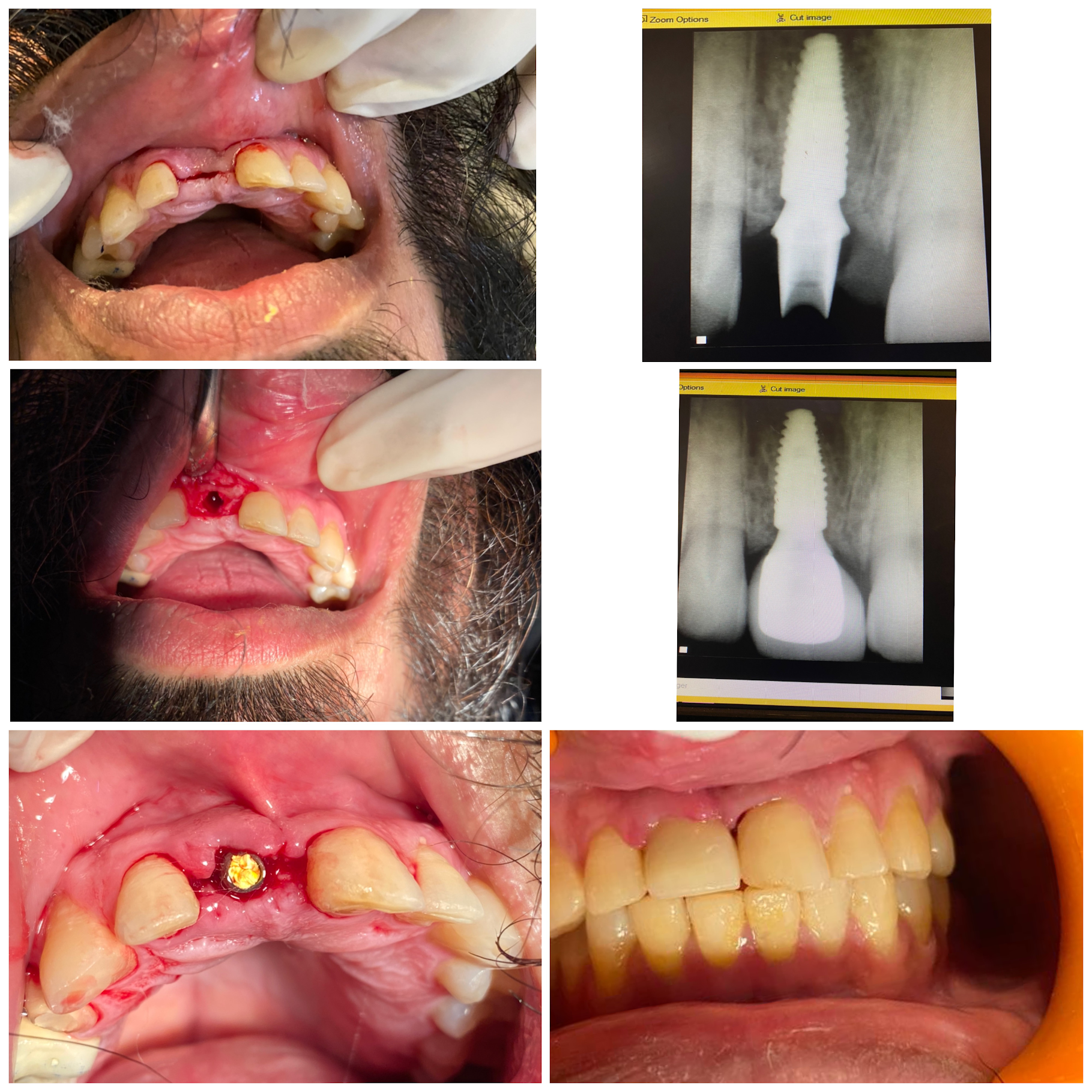
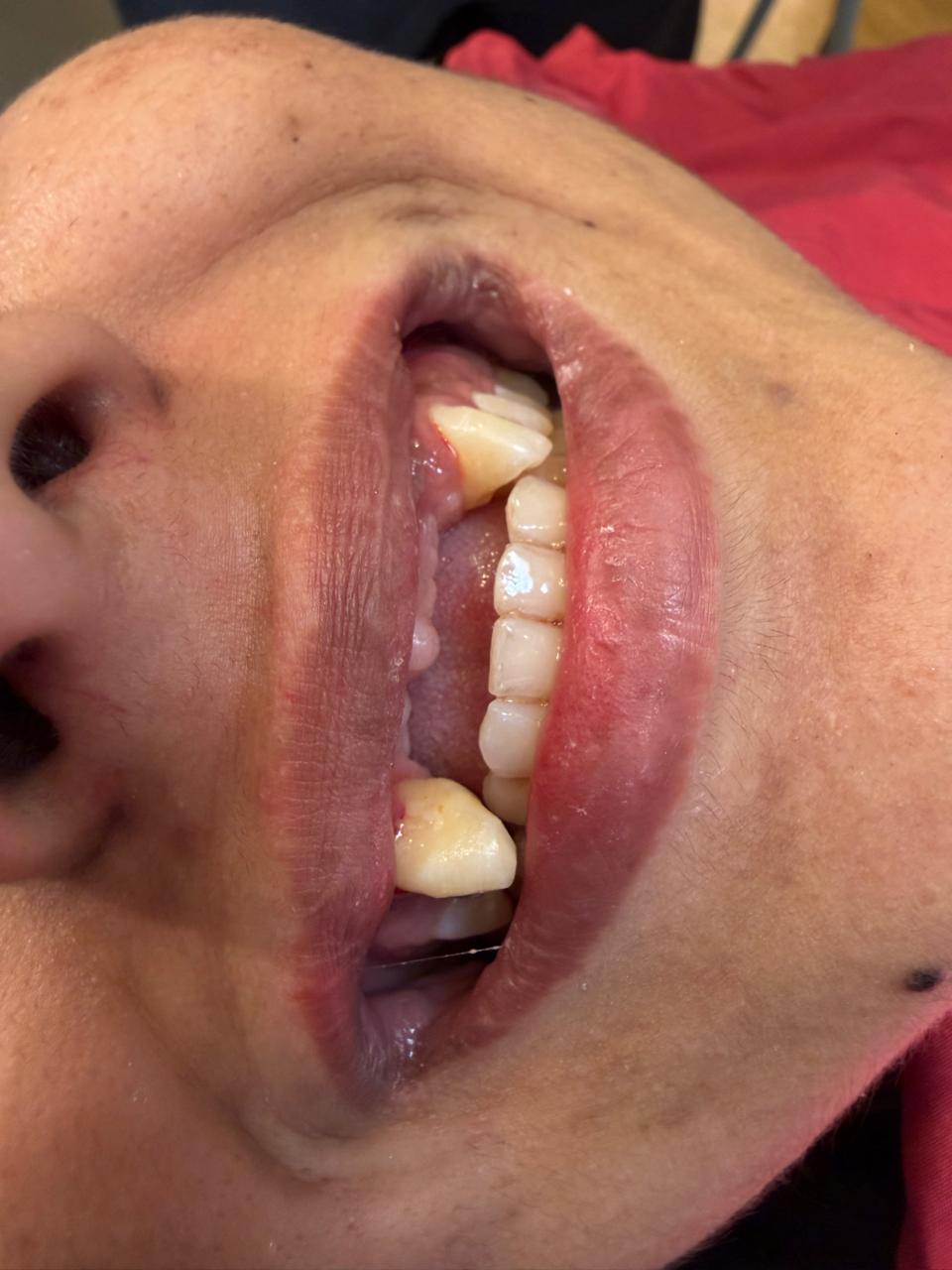
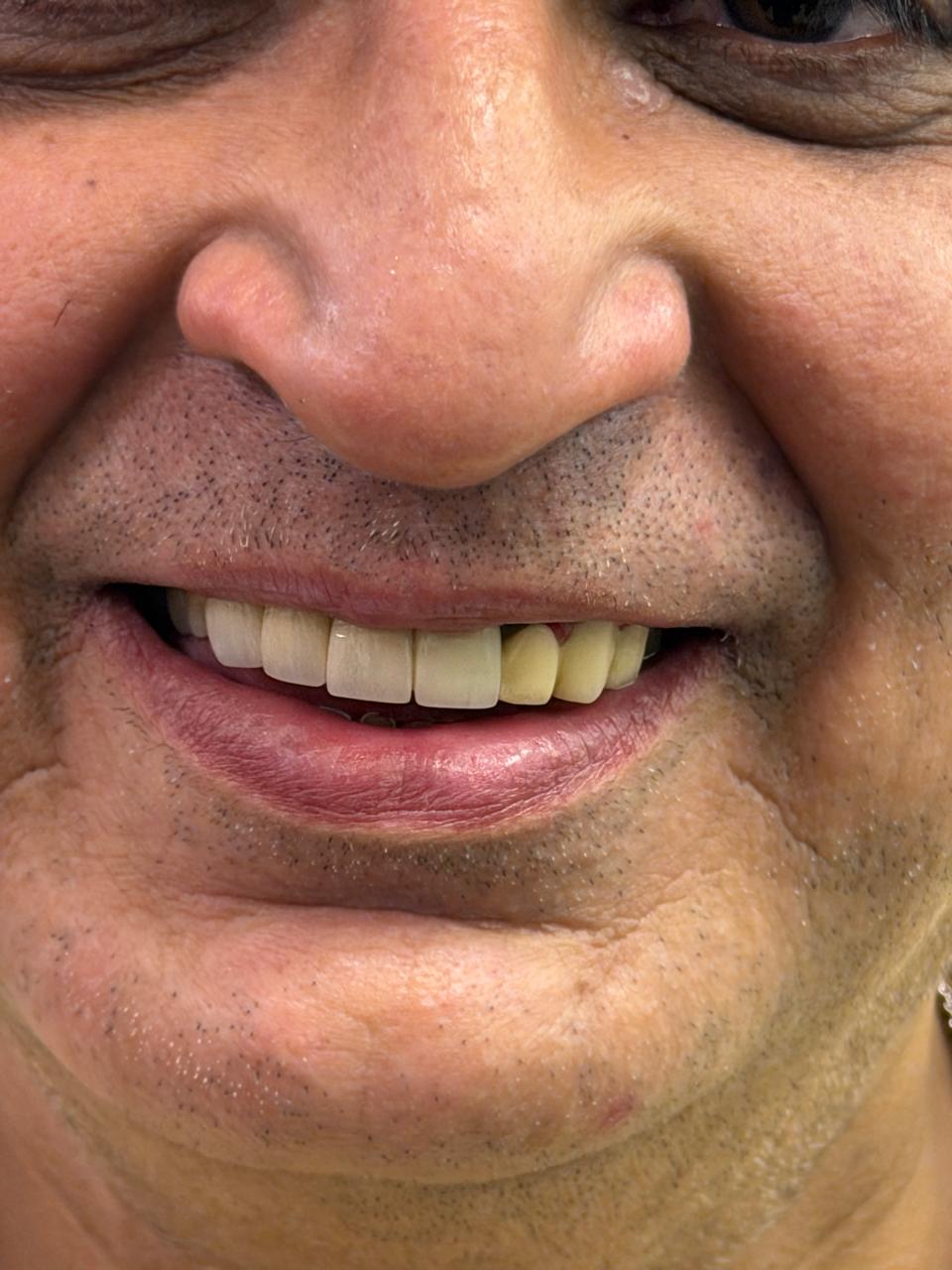
A real Polydental Clinic patient, restored from severely broken front teeth to a fully functional bite using titanium implants and ceramic prosthetics. Patient identity protected; intraoral views only.
Before
After
Broken Front Teeth → Permanent Implant-Supported Restoration
Patient presented with badly fractured upper anterior teeth and an unstable bite. Treatment plan: extraction, titanium implant placement, healing-cap stage, and final ceramic prosthetics, completed without removable dentures.
During Treatment, Healing-Cap Stage
Intraoral photographs published with patient consent. Faces withheld for privacy. Individual results vary based on bone density, healing, and treatment plan.
Patient Experiences
"I was skeptical about implants due to my age (65), but the doctor really explained the CBCT scan. The surgery was completely painless. I can finally eat apples again!"
Harjit Singh
Age 65 · Mohali Phase 7 · All-on-4 implants
"Lost a front tooth in an accident. The single implant looks so natural, even my family can't tell which one is fake. Highly recommend the team here."
Ravi Kumar
Age 32 · Chandigarh Sec 40 · Front tooth implant
"No hidden costs! I consulted three clinics in Mohali before coming here. Only Poly Dental gave me a flat rate including the crown and surgery."
Suman Gupta
Age 48 · Zirakpur · 2 back teeth implants
Dental Implants Across Mohali & the Tricity
We provide implant dentistry, from single implants to full-arch All-on-4, in Mohali and surrounding areas across the Tricity, including Kharar, Zirakpur, Chandigarh, Panchkula and Derabassi, with CBCT-guided precision and EMI options for patients travelling in from nearby sectors and phases.
location_on Mohali (SAS Nagar)
Our home base in Sector 70. Patients from Phases 3B2, 5, 7, 10 and 11, Sectors 68–70 and Aerocity reach us within a short drive for implant treatment.
location_on Kharar
A fast-growing township on the Mohali–Ropar road. Kharar, Landran and Sunny Enclave patients choose us for single and multiple implants.
location_on Zirakpur
The gateway suburb linking Chandigarh, Patiala and Ambala highways. Zirakpur, VIP Road and Dhakoli patients visit for All-on-4 and implant bridges.
location_on Chandigarh
The union-territory capital next door. Patients from the southern sectors, 34, 35, 44 and beyond, come to us for permanent tooth replacement.
location_on Panchkula
The Haryana city completing the Tricity. Panchkula and MDC-sector patients visit for implants and full-mouth rehabilitation.
location_on Derabassi
A growing town on the Chandigarh–Ambala corridor. We welcome patients from Derabassi and nearby areas for dental implants.
Frequently Asked Questions
The cost of a single dental implant with a crown at Polydental Clinic in Mohali depends on jawbone condition, implant brand, crown material, and whether additional procedures such as bone grafting or sinus lifts are required. Polydental Clinic in Mohali provides a detailed consultation and a personalised treatment estimate before starting implant treatment.
The dental implant post can last for decades and may last a lifetime with proper care and healthy bone support. The implant crown generally lasts around 15-20 years before replacement may become necessary due to wear. Regular dental check-ups, good oral hygiene, and controlled bite pressure increase long-term implant durability and stability.
Dental implant surgery is performed under local anaesthesia, so patients usually feel pressure or vibration rather than pain during the procedure. Mild soreness, swelling, or gum tenderness can occur after surgery and usually improves within 3-5 days. Most postoperative discomfort responds well to prescribed medication, cold compresses, and short recovery periods.
A dental bridge replaces a missing tooth by attaching an artificial tooth to neighbouring teeth. Bridge treatment usually requires grinding down healthy adjacent teeth to create support for the bridge structure. A dental implant replaces the missing tooth root directly inside the jawbone and does not affect nearby healthy teeth. Dental implants preserve jawbone density and provide more independent support than traditional bridges.
Smokers can still qualify for dental implants, though smoking increases healing complications and implant failure risk. Tobacco use can reduce the blood supply around the implant site and slow bone integration. Polydental Clinic in Mohali evaluates smoking habits during implant planning and advises patients on smoking reduction or cessation before and after surgery. Many smokers achieve successful implant outcomes with careful planning and postoperative care.
Implant movement, persistent pain, gum swelling, pus discharge, and difficulty chewing can indicate implant complications or failure. Mild soreness during the first few days after surgery is normal, though worsening pain after the first week requires immediate evaluation. Early treatment often resolves implant complications before significant damage develops. Patients should contact Polydental Clinic in Mohali immediately if unusual swelling, loosening, bleeding, or infection symptoms appear around the implant site.
Book Your Implant Consultation
Get a complete assessment, discuss your implant options, and get an exact cost breakdown with zero obligation.