Dental Crowns & Bridges in Mohali & Chandigarh
Restore damaged teeth and replace missing teeth with precision-fitted dental crowns, tooth caps, and dental bridges designed for daily chewing, natural appearance, and long-term durability.
Patients from Mohali, Chandigarh, Panchkula, Kharar, and Zirakpur visit Polydental Clinic for tooth capping, bridge treatment, and crown replacement after root canal treatment.
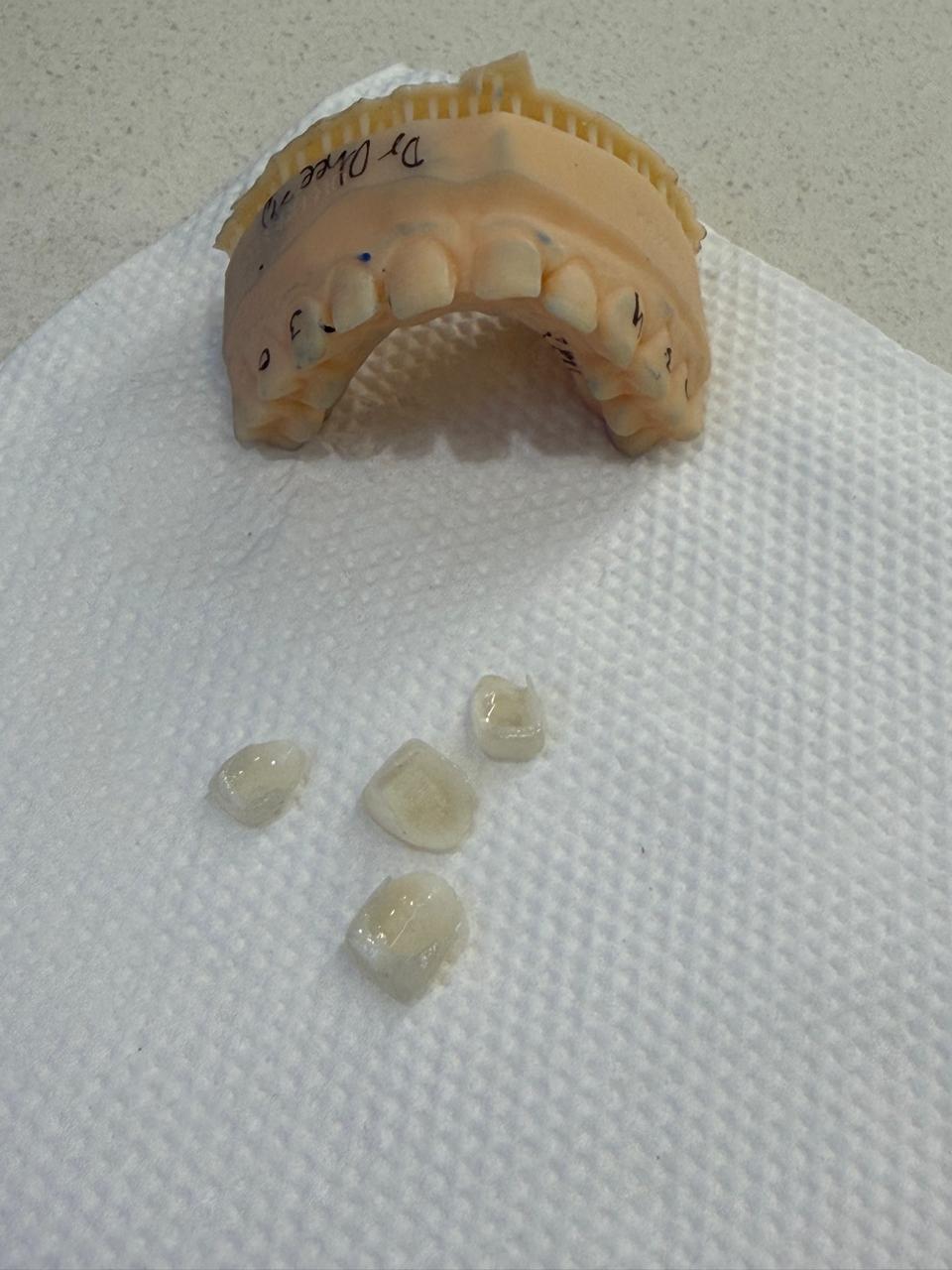
Zirconia Crowns & Fixed Bridges
Precision-fitted crowns & bridges, no dark metal lines.
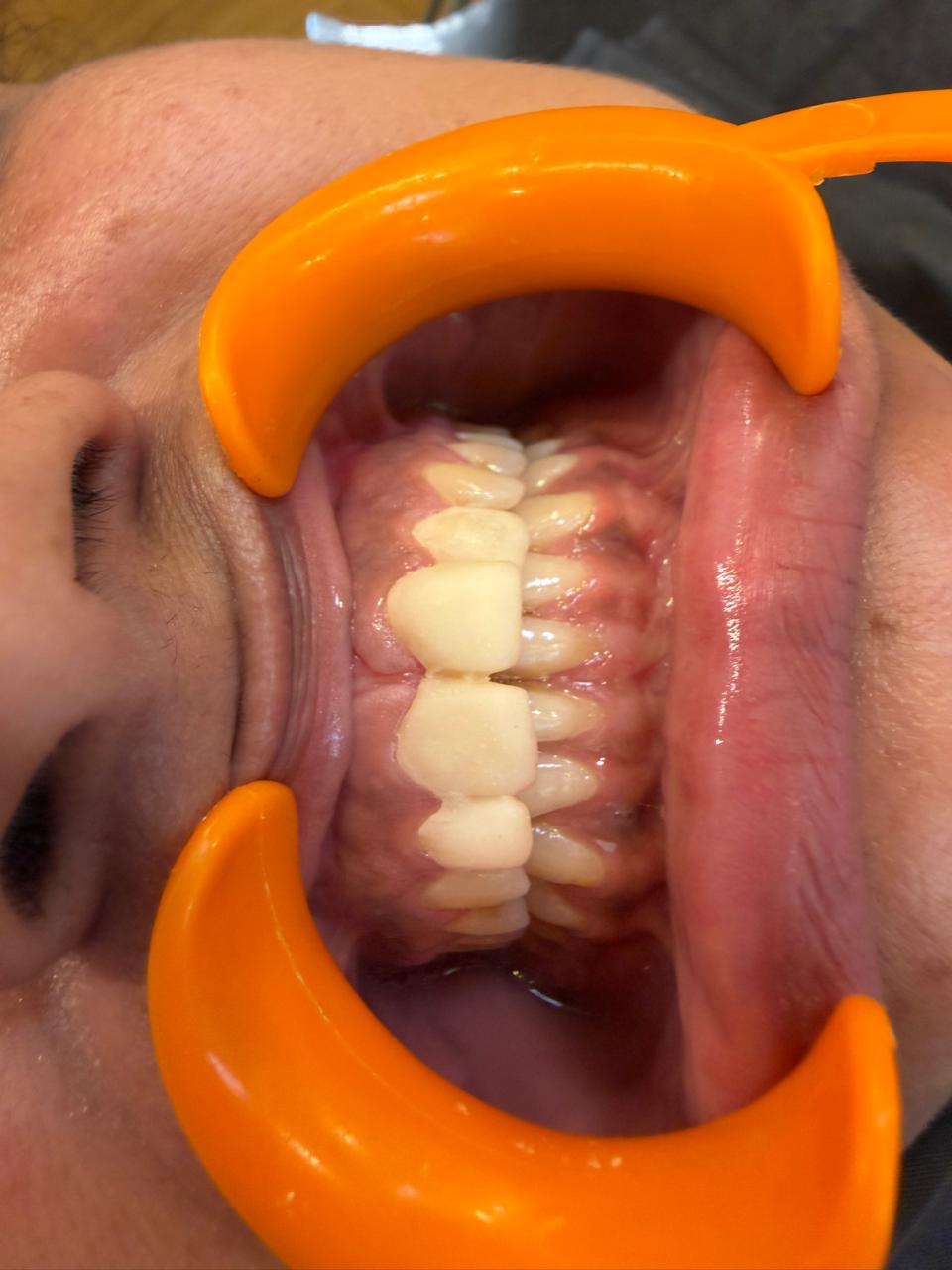
Cap, Protect & Replace
Restoring damaged teeth and filling missing-tooth gaps.
What Are Dental Crowns and Bridges?
A dental crown and a dental bridge solve two different problems. A crown, often called a tooth cap, fully covers a single damaged, cracked, or root canal-treated tooth to restore its strength, shape, and chewing function. A bridge replaces one or more missing teeth by anchoring an artificial replacement tooth (a pontic) to the neighbouring teeth or to dental implants on either side of the gap.
Put simply, a crown protects a tooth you still have, while a bridge fills a space where a tooth is gone. The two treatments connect closely during full-mouth restoration because a bridge is built from supporting crowns. At Poly Dental Clinic in Mohali, we assess your tooth structure, bite, and gum health before recommending capping an existing tooth or replacing missing space.
verified_user Dental Crowns (Tooth Capping)
A dental crown, also known as Tooth Capping, is a custom-made tooth cap that covers a damaged tooth to restore chewing strength, tooth shape, bite function, and tooth appearance. A dental crown in India is commonly called a tooth cap, dental cap, or teeth capping treatment. Dentists place dental crowns on cracked teeth, root canal-treated teeth, heavily filled teeth, and worn teeth that have lost natural tooth structure.
linear_scale Dental Bridges (Missing Tooth Replacement)
A dental bridge is a fixed tooth replacement that fills one or more missing tooth gaps with an artificial tooth called a pontic. A dental bridge stays attached to neighbouring teeth or dental implants from both sides, which keeps the replacement tooth stable during chewing and speaking. Patients in Mohali and Chandigarh often choose dental bridges when they want a non-removable replacement for missing teeth.
A dental crown protects an existing natural tooth, while a dental bridge replaces a missing tooth space. This difference connects crowns and bridges during full-mouth tooth restoration treatments. A dental bridge commonly uses 2 supporting crowns, called abutment crowns, to hold the pontic securely in position. Supporting teeth receive dental crowns first, and the artificial tooth connects between those crowns to complete the bridge structure.
What are the Different Types of Dental Crowns?
Different dental crown materials provide different levels of strength, aesthetics, translucency, and long-term durability. The table below compares the most commonly used dental crown types.
Full Zirconia
Aesthetics: Excellent · Strength: Strongest. Best for molars, grinders, full-mouth crowns. Lasts 20-25 years.
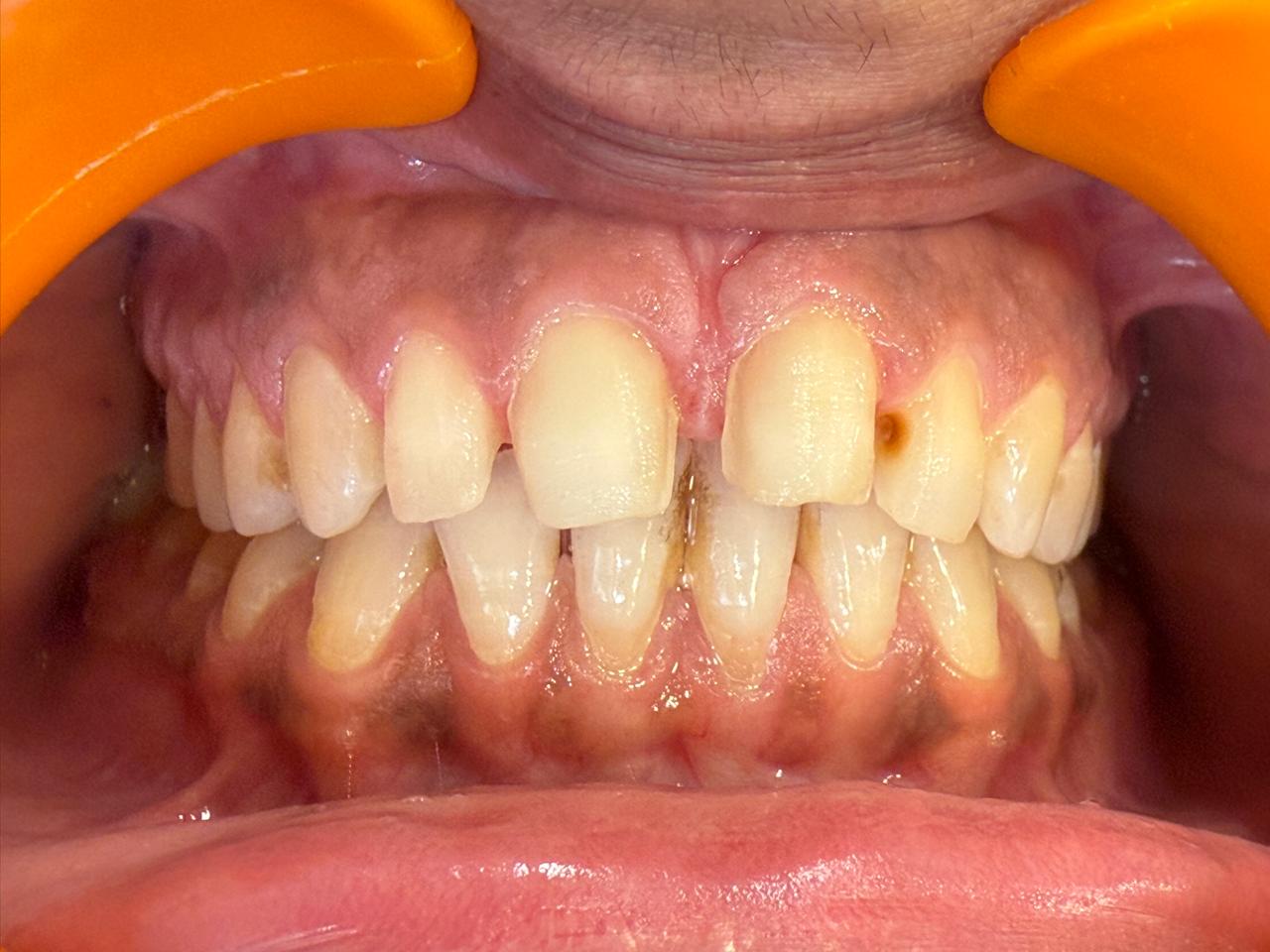
Layered Zirconia
Aesthetics: Best · Strength: Very Strong. Best for front teeth, smile makeovers. Lasts 20-25 years.
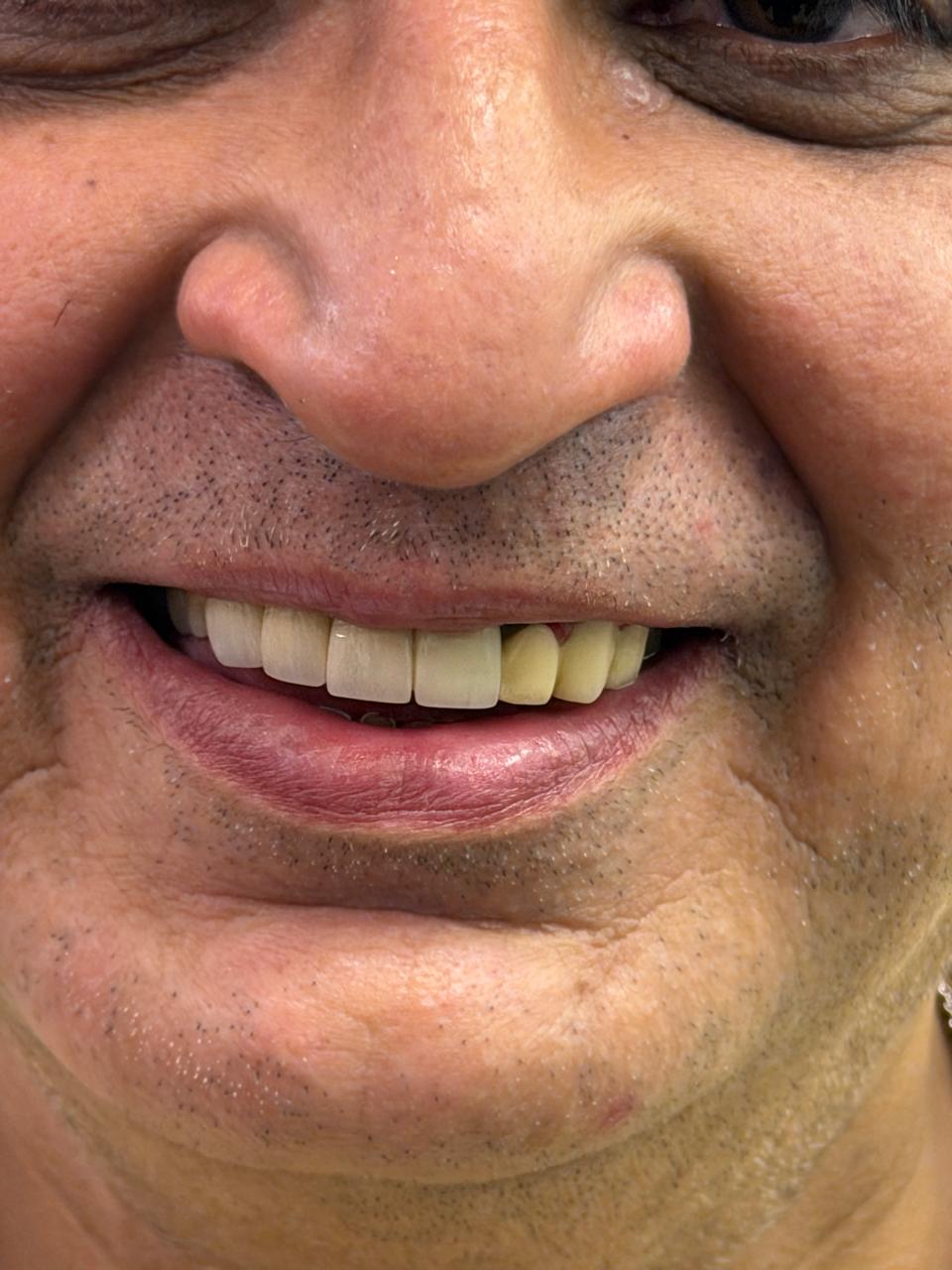
All-Ceramic (E-max)
Aesthetics: Excellent · Strength: Strong. Best for front teeth, cosmetic corrections. Lasts 10-15 years.

PFM (Porcelain-Fused-to-Metal)
Aesthetics: Good · Strength: Very Strong. Best for back teeth, budget-focused cases. Lasts 15-20 years.
Metal (Chrome / Gold)
Aesthetics: Metallic · Strength: Maximum. Best for heavy grinders, back molars. Lasts 15-20 years.
Our Recommendation: Full Zirconia
For most patients, we recommend full zirconia crowns. They provide superior strength, contain no metal (so there's no dark line forming at the gumline over time), and their translucency accurately mimics natural teeth. We'll always show you physical samples and pricing before recommending your treatment.
What Are The Different Types of Dental Bridges?
The position of the missing tooth, the condition of nearby teeth, and your long-term goals determine which fixed dental bridge works best.
Traditional Bridge
A traditional bridge is the standard dental bridge used for most missing tooth cases: two crowns anchor the artificial tooth in between. The dentist reshapes the natural teeth on both sides of the gap, then places connected crowns and pontics as one fixed unit. Traditional bridges work best when healthy teeth exist on both sides of the missing tooth gap.
- Single missing teeth
- Back tooth replacement
- Faster treatment than implants
- Fixed replacement instead of removable dentures
Cantilever Bridge
A cantilever bridge replaces a missing tooth using support from only one adjacent tooth. This bridge design places more chewing pressure on the anchor tooth, which limits its use in high-force biting areas. Cantilever bridges work best in specific situations where healthy adjacent teeth exist on only one side of the gap.
- Rear teeth with one supporting tooth
- Smaller bite-pressure zones
- Short-span bridge replacement
Maryland Bridge
A Maryland bridge (resin-bonded bridge) replaces a missing front tooth using thin metal or ceramic wings bonded to the backs of nearby teeth. That structure preserves more natural enamel because the dentist removes minimal tooth structure during preparation. A Maryland bridge works best as a conservative front tooth bridge where bite forces remain lower.
- Front tooth replacement
- Younger patients
- Small single-tooth gaps
- Avoids aggressive tooth reshaping
Implant-Supported Bridge
An implant-supported bridge uses dental implants instead of natural teeth for support. Titanium implants replace the missing tooth roots first, then the bridge attaches securely over the implants. Implant-supported bridges last longer because no healthy neighbouring tooth requires reshaping.
- Multiple missing teeth
- Long-term replacement
- Patients with healthy jawbone support
- Avoids crown preparation on natural teeth
Dental Crown & Bridge Procedure
Two visits in most cases. We provide a same-day temporary crown so you never leave with a visible gap.
Assessment & X-rays
10-15 minDigital X-rays, bite analysis, and tooth structure evaluation confirm whether the tooth can safely support a crown or bridge.
Tooth Preparation
20-30 minUnder local anaesthesia, the dentist gently reshapes the tooth to create a precise space for the crown. Patients feel vibration and pressure, but not pain.
Impression / Digital Scan
15 minA detailed impression or digital scan records the prepared tooth shape. The scan goes to the dental lab while a temporary crown is fabricated and fitted the same day.
Final Crown Fitting (Visit 2)
20-30 minAfter 5-7 days, the temporary crown is removed. The permanent crown is checked for shade, fit, and bite accuracy before final cementation.
The entire tooth capping process takes just 2 visits in most cases. The shorter timeline reduces disruption for working professionals, students, and patients travelling from Chandigarh, Panchkula, Kharar, and Zirakpur. A temporary crown is fitted during the same appointment, so patients never leave the clinic with an exposed tooth or visible gap. The temporary protection keeps the prepared tooth stable while the final dental crown fitting is completed in the lab.
Dental bridge treatment follows almost the same procedure. The main difference is that two anchor teeth are prepared instead of one tooth, allowing the fixed dental bridge to support the artificial replacement tooth securely in the middle. Most patients return to normal chewing within 24-48 hours after crowning teeth or bridge placement. Mild temperature sensitivity and slight gum soreness remain common for 1-3 days after treatment. Soft foods feel more comfortable during the first 48 hours, while very hard foods like ice, hard candy, and dry nuts are best avoided during the adjustment period. The final crown or bridge usually feels natural within a few days as the tongue, bite, and jaw muscles adapt to the new tooth shape.
Benefits of Dental Crowns and Bridges
An untreated cracked tooth can split below the gum line and require extraction. A missing tooth left untreated allows nearby teeth to drift, changing the bite. A crown or bridge protects your structure now.
1. Restore Full Chewing Function
Dental crowns restore biting strength for damaged teeth, while fixed dental bridges restore chewing balance after tooth loss. Most patients return to eating rotis, fruits, rice, sandwiches, nuts, and regular home-cooked meals comfortably after the adjustment period.
2. Protect Weak Teeth from Fracture
One of the biggest tooth crown benefits is structural protection. A cracked or root canal-treated tooth becomes weaker after losing structure. A crown covers the remaining tooth and distributes pressure evenly, preventing the tooth from splitting. A crown now costs far less than extraction, bone grafting, and implants later.
3. Improve Smile Appearance Naturally
Modern zirconia crowns match natural enamel closely in colour and light reflection. That aesthetic improvement explains why patients choose zirconia for front teeth, chipped teeth, and replacing old, dark crowns. Metal-free crowns avoid the grey gumline that older porcelain-fused-metal crowns develop.
4. Prevent Nearby Teeth from Shifting
One major advantage of dental bridge treatment is bite stability. Teeth naturally move toward empty spaces. That gradual drifting creates food trapping, uneven chewing pressure, and jaw imbalance. A bridge keeps surrounding teeth aligned by maintaining the original spacing.
5. Preserve Jawbone Support
Implant-supported bridges preserve jawbone density more effectively because the implant transfers chewing force into the bone, similarly to a natural tooth root. That stimulation helps reduce bone shrinkage in long-term missing tooth cases.
6. Fixed Replacement Without Removal
Fixed crowns and bridges stay permanently attached inside the mouth. Patients brush and clean them similarly to natural teeth without removing them daily like removable dentures. This improves chewing stability, speech clarity, and confidence.
7. Deliver Long-Term Value
Most zirconia crowns and bridges last 15-25 years with proper care, regular cleanings, and controlled grinding habits. That lifespan makes crowns and bridges one of the most cost-effective long-term restorative dental treatments.
Are You a Good Candidate for a Crown or Bridge?
A crown or bridge works best when enough healthy tooth structure and supporting bone remain to anchor the restoration securely. The amount of remaining tooth, the health of neighbouring teeth, and your gum condition all decide whether capping, bridging, or an implant is the better option. Poly Dental Clinic in Mohali confirms this with digital X-rays and a clinical exam before recommending treatment.
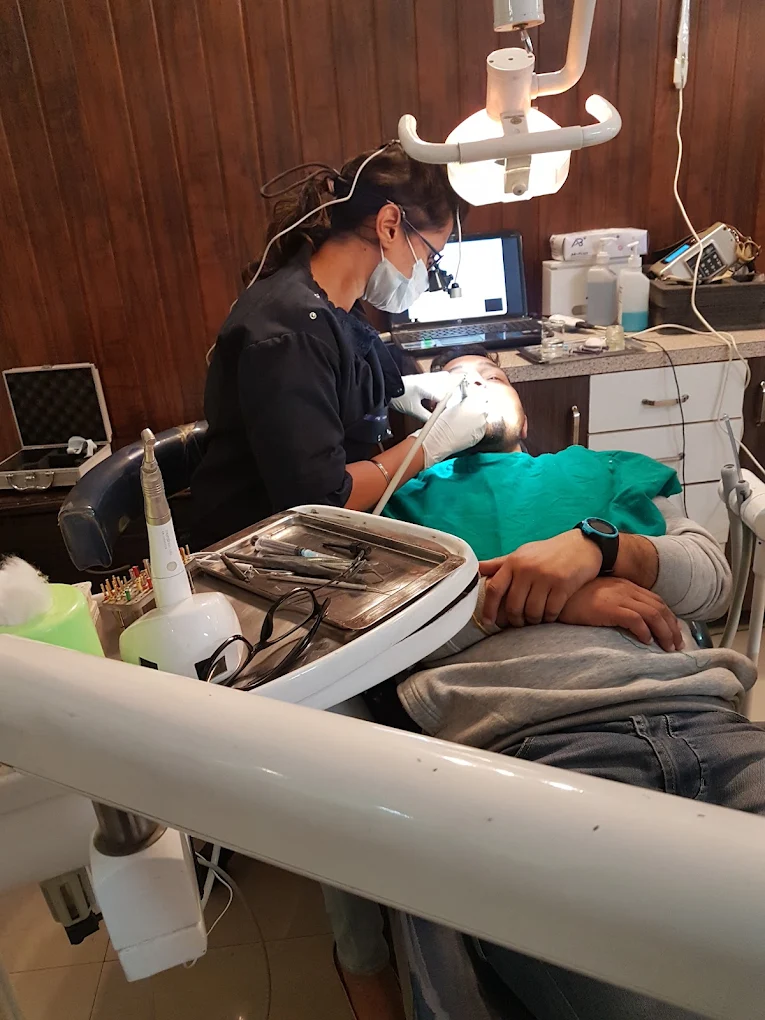
Suitability Check
An X-ray confirms whether a crown or bridge will fit.
verified Ideal for Crown / Bridge
- check_circleCracked, chipped, or heavily filled tooth
- check_circleTooth recently root canal-treated
- check_circleOne or two missing teeth with healthy neighbours
- check_circleHealthy gums and enough remaining tooth structure
- check_circleWants a fixed, non-removable restoration
warning Needs Evaluation
- chevron_rightTooth fractured below the gum line
- chevron_rightActive gum disease or significant bone loss
- chevron_rightToo little healthy tooth left to cap
- chevron_rightWeak or untreated anchor teeth for a bridge
- chevron_rightHeavy grinding without a night guard
Crown vs Implant vs Veneer: Which Do You Need?
Dental crowns, bridges, implants, and veneers solve different tooth problems based on whether the tooth is damaged, missing, weakened, or cosmetically uneven.
| Comparison Point | Dental Crown | Dental Bridge | Dental Implant | Dental Veneer |
|---|---|---|---|---|
| Purpose | Protects and restores a damaged tooth | Replaces one or more missing teeth | Replaces a missing tooth root and crown | Improves front tooth appearance |
| Original tooth exists? | Yes | No for missing tooth, yes for support teeth | No | Yes |
| Procedure Type | Moderately invasive | Moderately invasive | Surgical | Minimally invasive |
| Average Lifespan | 15-25 years | 10-20 years | 20+ years | 10-15 years |
| Best Suited For | Cracked, root canal-treated, or heavily filled teeth | Missing tooth gaps with healthy adjacent teeth | Long-term missing tooth replacement | Cosmetic smile correction |
Same-Day Temporary Crown · 0% EMI Available
Protect a damaged tooth or replace a missing one, in just two visits.
Get a crown & bridge assessment with material samples and a clear, same-day quote, zirconia, ceramic, PFM, or implant-supported.
How Long Do Dental Crowns and Bridges Last?
Lifespan depends on oral hygiene, chewing habits, crown material, bite pressure, and regular dental maintenance.
| Restoration Type | Average Lifespan | What Affects Longevity Most |
|---|---|---|
| Metal Crown | 15 to 20 years | Grinding habits, gum health |
| PFM Crown | 15 to 20 years | Porcelain chipping, oral hygiene |
| Maryland Bridge | 5 to 10 years | Debonding risk, front-tooth position |
| E-max / All-Ceramic Crown | 10 to 15 years | Front-tooth bite pressure |
| Full Zirconia Crown | 20 to 25 years | Grinding control, bite alignment |
| Layered Zirconia Crown | 20 to 25 years | Gum care, ceramic protection |
| Traditional Dental Bridge | 10 to 15 years | Cleaning beneath the bridge |
| Implant-Supported Bridge | 20+ years to lifetime | Bone support, hygiene maintenance |
Crown & Bridge Results, Real Cases
 Before
Stock
Before
Stock
 After
Stock
After
Stock
Post-RCT molars protected securely
Before
Stock
After
Stock
Chipped front tooth capping
Before
Stock
After
Stock
Restoring missing premolar naturally
⚠️ Real patient photos + consent required from client.
What Our Crown & Bridge Patients Say
⚠️ Sample reviews, replace with verified Google/Practo reviews and confirm the aggregate rating before launch.
"Got a full zirconia crown on a molar after my root canal, the shade match is perfect and it's rock solid. Same-day temporary crown was a nice touch."
"Had a 3-unit bridge to replace a missing front tooth. The E-max looks completely natural, nobody can tell which tooth is artificial."
"They walked me through metal vs PFM vs zirconia honestly and helped me pick within my budget. Transparent per-case pricing, no pressure."
Crowns & Bridges Across Mohali & the Tricity
We provide dental crowns and bridges in Mohali and surrounding areas across the Tricity, including Kharar, Zirakpur, Chandigarh, Panchkula and Derabassi, with same-day temporary crowns and EMI options for patients travelling in from nearby sectors and phases.
location_on Mohali (SAS Nagar)
Our home base in Sector 70. Patients from Phases 3B2, 5, 7, 10 and 11, Sectors 68–70 and Aerocity reach us within a short drive for crowns and bridges.
location_on Kharar
A fast-growing township on the Mohali–Ropar road. Kharar, Landran and Sunny Enclave patients choose us for zirconia crowns.
location_on Zirakpur
The gateway suburb linking Chandigarh, Patiala and Ambala highways. Zirakpur, VIP Road and Dhakoli patients visit for crowns and bridges.
location_on Chandigarh
The union-territory capital next door. Patients from the southern sectors, 34, 35, 44 and beyond, come to us for crown and bridge work.
location_on Panchkula
The Haryana city completing the Tricity. Panchkula and MDC-sector patients visit for crowns after root canal treatment.
location_on Derabassi
A growing town on the Chandigarh–Ambala corridor. We welcome patients from Derabassi and nearby areas for crowns and bridges.
Still have questions about crowns or bridges?
Frequently Asked Questions
Dental crown cost in Mohali depends on the material selected, metal, PFM, all-ceramic, or zirconia, along with the tooth location and your aesthetic requirements. After an examination, Polydental Clinic shares a clear, personalised quote for your case and provides 0% EMI options through partner finance providers for eligible treatment plans.
Dental crown preparation is done under local anaesthesia, so patients feel pressure and vibration but not pain during the procedure. Mild temperature sensitivity or gum soreness for 1-3 days after crown fitting remains normal and usually settles quickly.
Full zirconia crowns remain the preferred option for most patients because zirconia provides stronger fracture resistance, better aesthetics, and no dark metal margin near the gums. PFM crowns remain a reliable lower-cost option for back teeth where appearance matters less.
Yes. A crown after root canal treatment protects the tooth from fracture. Root canal-treated teeth become more brittle after infection removal and loss of internal tooth structure. Without a crown, the tooth becomes much more likely to crack during chewing.
A veneer covers only the front surface of the tooth for cosmetic improvement. A crown covers the entire visible tooth structure to restore strength, shape, and chewing function. Veneers suit minor cosmetic corrections, while crowns suit structurally damaged teeth.
Most traditional dental bridges last 10-15 years with proper cleaning and regular dental check-ups. Zirconia bridges can last closer to 20 years in many patients. Daily flossing beneath the bridge remains important because plaque around the anchor teeth shortens bridge's lifespan.
A dental crown covers and protects an existing tooth. A dental bridge replaces a missing tooth using neighbouring teeth or implants for support. Crowns restore damaged teeth, while bridges restore missing teeth.
Yes. Most patients return to normal chewing after the first 48 hours of softer foods. Modern zirconia crowns and bridges tolerate regular chewing pressure well, including firmer foods like rotis, apples, sandwiches, and cooked meats. Very hard foods like ice and hard candy remain best avoided long term.
Restore Your Bite Today
Book a crown consultation, we'll assess your tooth, show you material options, and give you a same-day quote.